Most air conditioning complaints trace back to design and installation, not to the equipment. Assess a contractor on how they size, install and support the system.
Design
- Is a heat load calculation carried out for each space, or is capacity assumed?
- How are occupancy, glazing, orientation and equipment gains accounted for?
- Is fresh air provision considered, not only cooling?
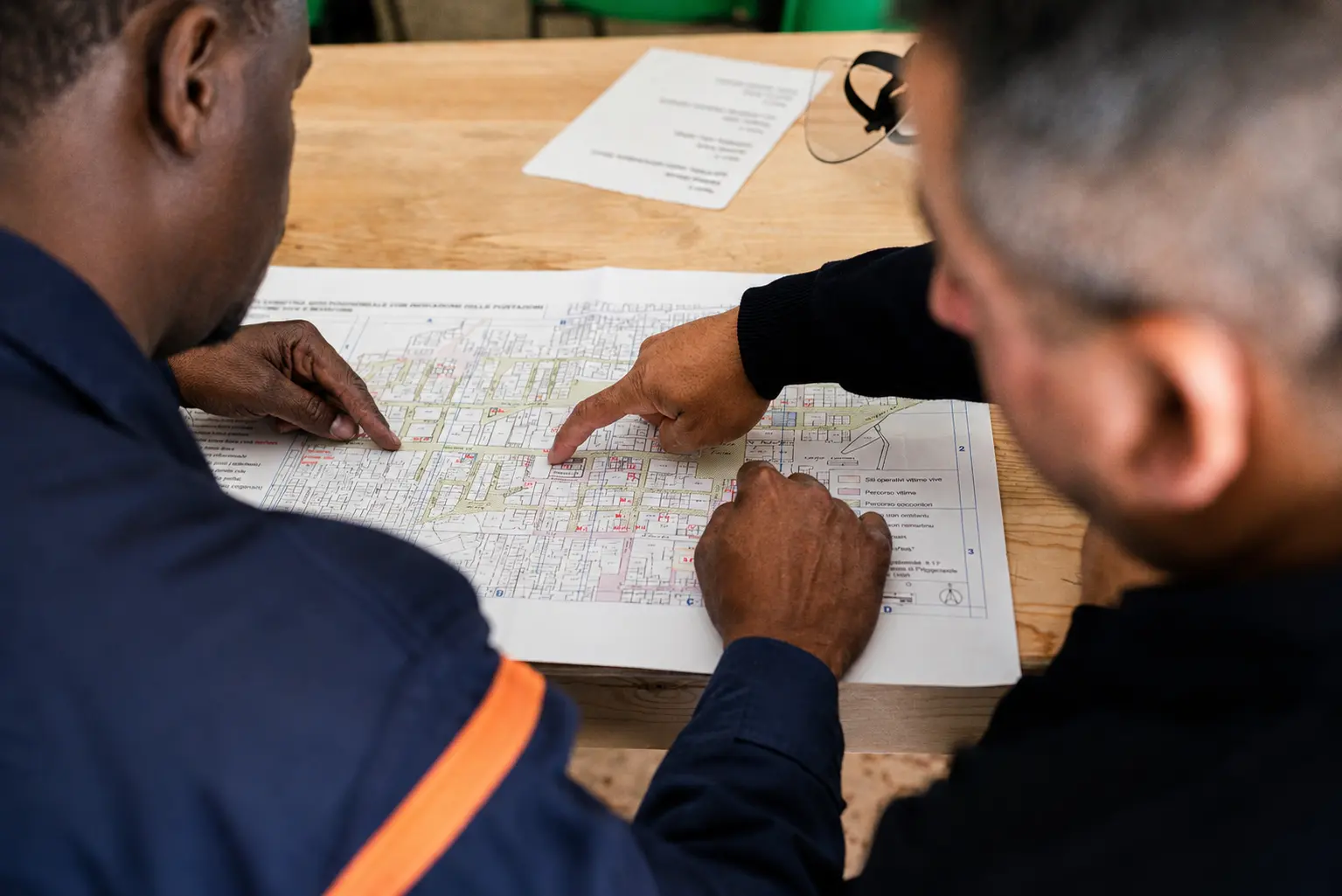
- Are drawings issued for ductwork, pipework and condensate routes?
Power conditions
Ask how the design responds to voltage fluctuation, phase imbalance and generator changeover. Inverter equipment, correctly rated protection and a staged restart sequence reduce damage and nuisance tripping.
Installation quality
- Refrigerant pipework brazed under nitrogen, pressure tested and evacuated
- Condensate falls checked and tested with water before ceilings close
- Ductwork supported, sealed and insulated to specification
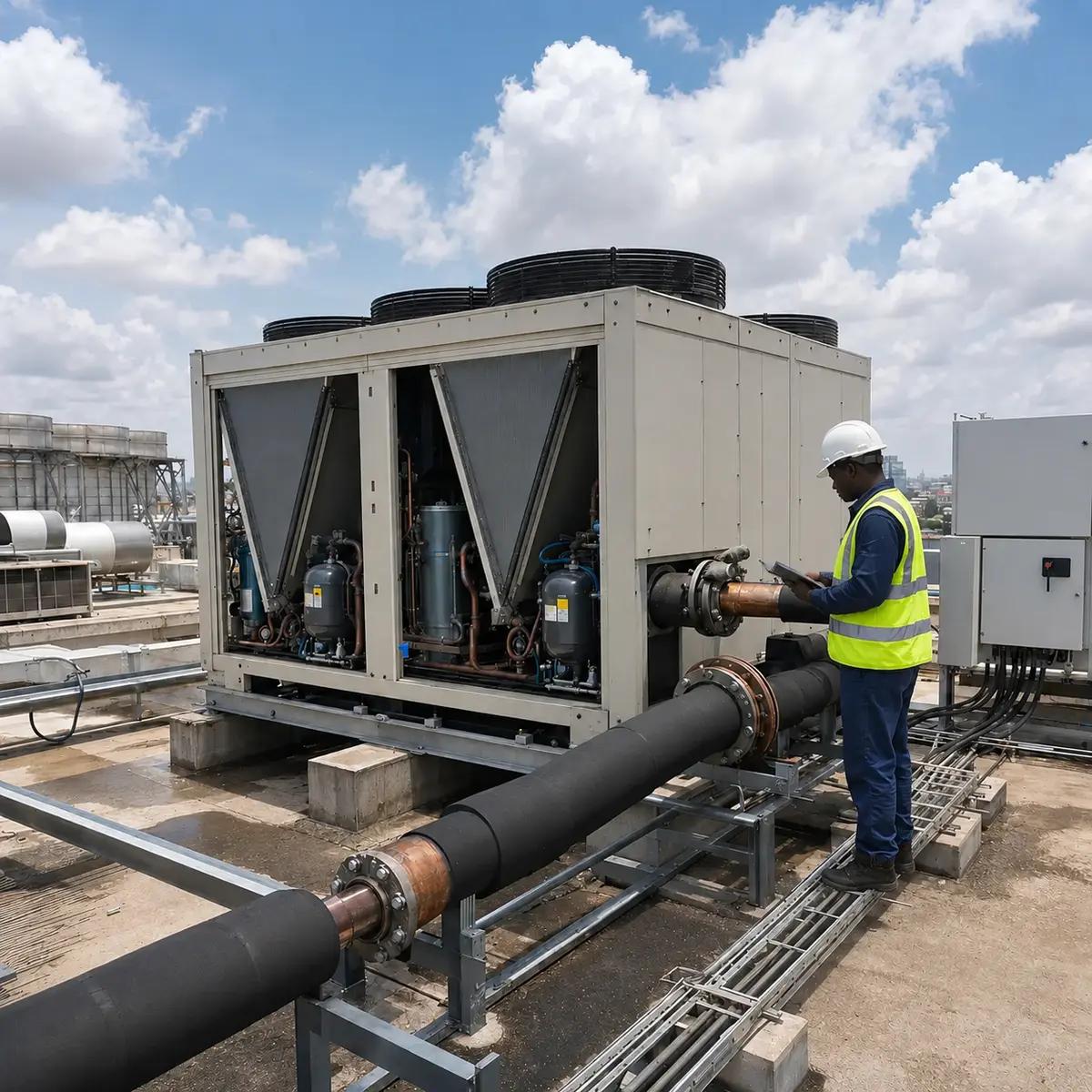
- Outdoor units sited for airflow and access, with vibration isolation
- Commissioning records with measured airflow and temperature readings
Before you appoint
- A written design basis with the load calculation attached
- An itemised quotation showing equipment, materials and commissioning
- A maintenance proposal with visit frequency and filter schedule
- Named engineers and their experience with the proposed system type
- Warranty terms and the maintenance required to keep them valid
Maintenance and support
Cooling performance falls quickly without filter cleaning, coil cleaning and refrigerant checks. Agree the maintenance scope at the point of purchase, not a year later when the system is already underperforming.